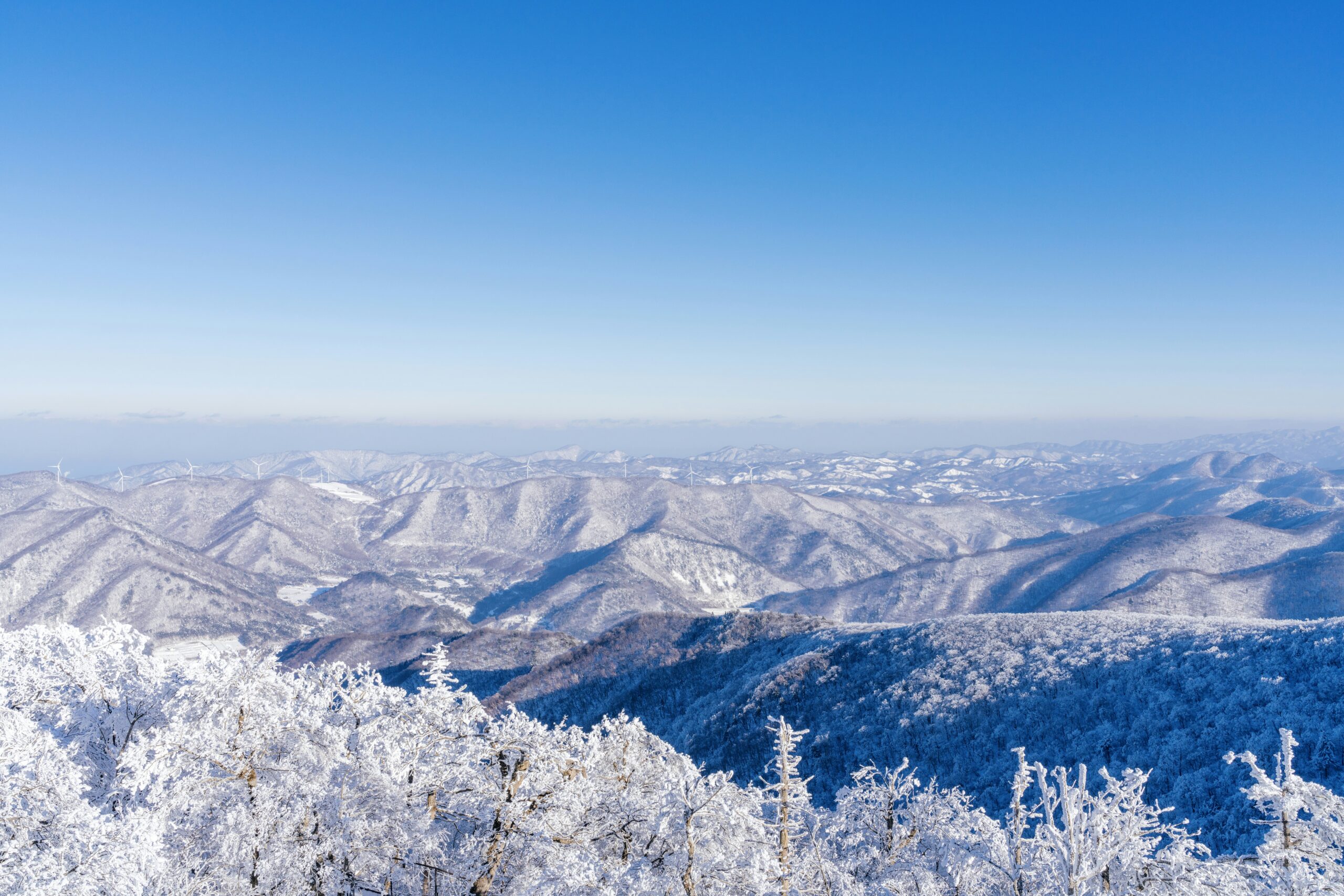
There’s something about winter in Korea that changes everything. Mountains turn white overnight. Pine forests look like scenes from a fairy tale. And the silence that comes with falling snow makes the whole country feel like it’s holding its breath.
I’ve been chasing snow across Korea for years now. Not the slushy, city kind the real thing. Heavy snowfall on granite peaks, frozen waterfalls you can hear cracking in the cold, and mornings where the only footprints on the trail are yours.
After dozens of winter trips, I’ve narrowed it down to the three places that never disappoint. These aren’t tourist-brochure picks they’re the spots where I’ve consistently found real snow, genuine winter beauty, and the kind of quiet that makes you stop walking and just breathe.
If you’re planning a winter trip to Korea and want more than a ski resort lobby, keep reading.
1. Seoraksan – where winter feels wild and alive
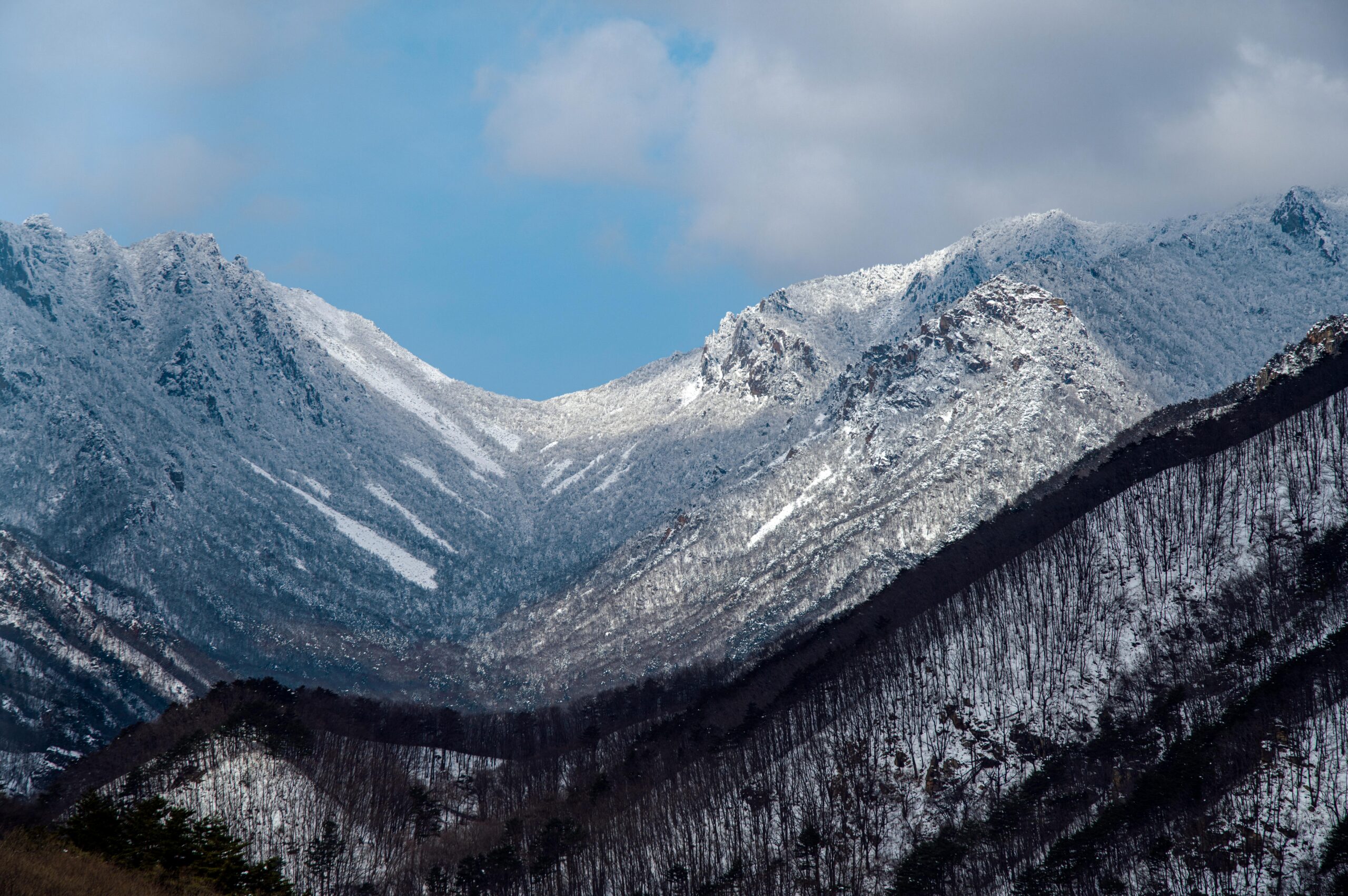
The first time I visited Seoraksan National Park in winter, I didn’t expect the snow to hit so hard. One moment I was walking through bare forest. The next, I was surrounded by white thick snow on every branch, frozen streams underfoot, and a silence so deep it felt unreal.
Seoraksan is Korea’s most dramatic mountain, and winter turns the drama up to full volume. The granite peaks that look impressive in autumn become something otherworldly under snow. Cliffs sharpen against gray skies. Ice forms on rock faces in patterns that look sculpted. And because winter visitor numbers drop dramatically compared to the autumn crowds, you often get the trails nearly to yourself.
Why I keep going back
The granite peaks of Seoraksan look stunning under fresh snow sharp, exposed rock against pure white. Biryong Falls, which means “flying dragon” in Korean, freezes into a massive ice wall during the coldest weeks of January and February. Even the easy trails near the park entrance feel completely transformed after a heavy snowfall.
Winter temperatures in Seoraksan average between negative 4 and 6 degrees Celsius, and snowfall on the upper ridges can exceed 150 centimeters during peak winter months.
What I usually do there
I take the cable car up to Gwongeumseong Fortress for a bird’s-eye view of the snowy valleys below. On a clear day, you can see all the way to the East Sea and the city of Sokcho from the top. If the weather is kind and the trails are open, I hike toward Ulsanbawi Rock, where the contrast of jagged cliffs and fresh snow is one of the best sights in all of Korea.
The Biryong Falls trail is another favorite it’s moderate difficulty, takes about one to one and a half hours, and the frozen waterfall at the end is worth every step. The trail crosses a suspension bridge over the river, which alone makes for an incredible winter photo.
How to get there
From Seoul, express buses to Sokcho run frequently from Dong Seoul Bus Terminal. The ride takes about two and a half hours. From Sokcho bus terminal, a short taxi ride gets you to the Seoraksan park entrance.
What it costs: Park entrance is free. The cable car to Gwongeumseong costs around 15,000 KRW for adults.
Winter tip: Arrive early in the morning. By afternoon, temperatures drop fast and trails get icy. Bring crampons or at least proper hiking shoes with grip regular sneakers won’t cut it on frozen paths.
2. Deogyusan and Muju Resort – snow without the struggle
Some mountains make you earn the view. Deogyusan gives it to you without the suffering.
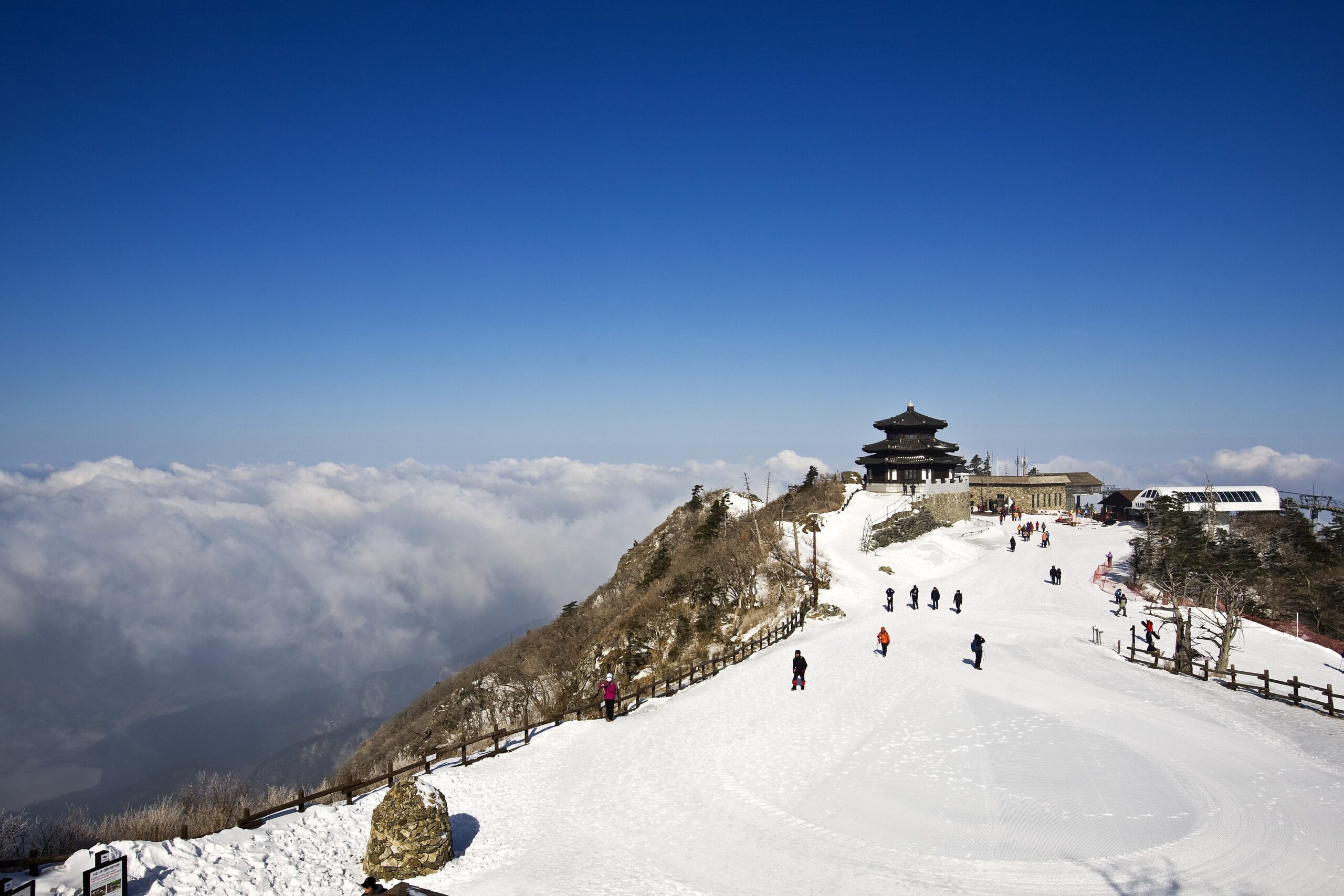
Thanks to the gondola at Muju Deogyusan Resort, you can float above a snow-covered forest and step out at the top into a full winter panorama without hiking a single steep section. This makes it one of the most accessible snowy mountain experiences in Korea, perfect if you don’t hike regularly or if you’re traveling with someone who isn’t up for a full winter trek.
What makes Deogyusan special
Deogyusan sits in one of Korea’s heaviest snowfall areas. The mountains here get more consistent, deeper snow than most other destinations outside of Gangwon Province. When you step off the gondola at the top, the snow on the trees is often so thick it looks fake like someone decorated a movie set.
Hyangjeokbong Peak, the highest point you can reach from the gondola, offers a ridgeline walk with panoramic views on both sides. On a clear winter day, the visibility stretches for miles and the snowy ridge feels like you’re walking on top of the world.
My go-to routine
I ride the gondola up, walk along the snowy ridge at my own pace, take far too many photos, and warm up afterward with hot coffee inside the resort lodge. If you’re into skiing or snowboarding, Muju Resort is also one of the less crowded ski resorts in Korea a good alternative to the packed slopes near Seoul.
How to get there
From Seoul, express buses to Muju run from Dong Seoul or Nambu Terminal. The ride takes about two and a half to three hours. From Muju bus terminal, local buses or taxis run to Deogyusan Resort.
What it costs: Gondola tickets are around 15,000 to 18,000 KRW depending on the season. Ski lift passes are separate if you plan to ski.
Winter tip: The ridge at the top can get extremely windy. Bring a scarf, face mask, and a windproof outer layer. The temperature at the summit is usually several degrees colder than at the base.
3. Nami Island – close to Seoul and still magical
Nami Island is one of those places that transforms completely under snow. What feels like a pleasant tree-lined park in summer becomes something out of a film in winter.
If you’ve ever watched the Korean drama Winter Sonata, you already know this place it’s the filming location that made Nami Island famous across Asia. But you don’t need to be a K-drama fan to appreciate what snow does to this island. The tree-lined lanes, the open fields, the riverside paths everything looks better in white.
Why it works for a winter visit
Nami Island is one of the easiest winter day trips from Seoul. You don’t need hiking boots, you don’t need to plan an overnight trip, and you don’t need to be physically fit. You take a ferry across a narrow channel, step onto the island, and walk through some of the most photogenic winter scenery within reach of the capital.
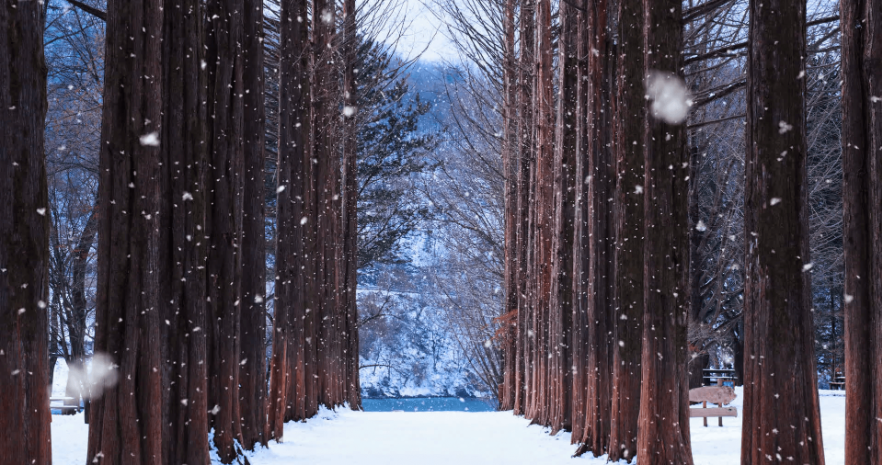
The Metasequoia Lane a long, straight path lined with tall, bare-branched trees is the signature view. Under snow, it’s one of the most photographed spots in Korea for good reason. The riverside cafés are extra cozy in winter, and the island is small enough to explore at a slow, relaxed pace in two to three hours.
What I usually do there
I always walk through Metasequoia Lane first it looks unreal when the branches are dusted with snow. After that, I grab hot chocolate at one of the riverside cafés, wander through the quieter back paths of the island, and take my time. Nami Island in winter isn’t about rushing between attractions. It’s about slowing down.
How to get there
From Seoul, take the ITX-Cheongchun train or subway Line 1 (Gyeongchun Line) to Gapyeong Station. The ride takes about an hour to an hour and twenty minutes depending on the line. From Gapyeong Station, a shuttle bus or taxi takes you to the Nami Island ferry dock in about five minutes. The ferry crossing itself is about five minutes.
What it costs: Entry plus ferry is 16,000 KRW for adults. You can also take the zipline across instead of the ferry for an additional fee.
Winter tip: Visit a day or two after a snowfall is forecasted that’s when the island looks its absolute best. Fresh snow on the trees before it melts or gets trampled is the difference between a good visit and a magical one.
When to go for the best snow in Korea
Korea’s snow season typically runs from late November through early March, but January and February offer the most reliable, heaviest snowfall. The Gangwon Province area where Seoraksan is located generally gets the earliest and deepest snow. Deogyusan in the central mountains follows closely. Nami Island, being closer to Seoul and at lower elevation, gets lighter snowfall, so timing your visit after a forecast is key.
Weekdays are always better than weekends for fewer crowds at all three destinations. If you can travel on a Tuesday or Wednesday in mid-January, you’ll often have the trails, gondolas, and paths nearly to yourself.