After years of calling Korea home, the question I get more than any other is simple:
“If I moved to Korea, where should I actually live?”
The honest answer is that it depends on what you want: a roaring job market, a slower coastal life, family-friendly calm, or a beach-and-laptop remote setup. Korea is small enough that no city is truly far from another (the KTX and SRT bullet trains cross most of the country in under three hours), but each one offers a genuinely different daily life.
So here’s my ranking of the best 7 cities to live in South Korea in 2026 built from real cost data, livability indices, and a lot of personal, kimchi-fueled experience. Each entry covers who it’s best for, what it costs, and the trade-off nobody warns you about.
One word on safety first, because it underpins everything: Korea is one of the safest places I’ve ever lived. Seoul carries a Numbeo safety index of 76.5 against a low crime index of 23.5 as of 2026, and Korea sits comfortably mid-table on the Global Peace Index. Walking home at 2 a.m. here is genuinely unremarkable.
1. Seoul: Best for careers, culture, and convenience
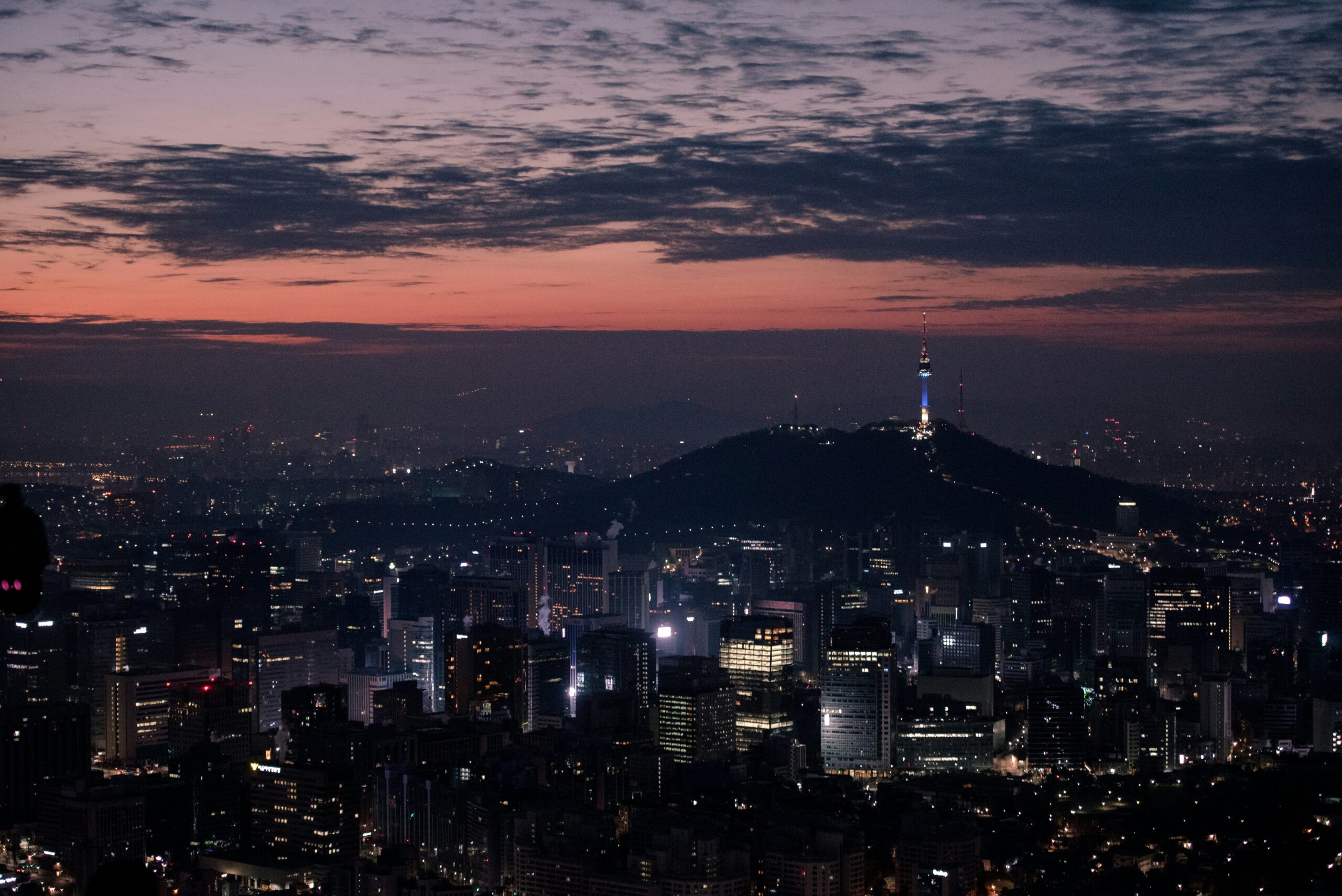
Seoul is the obvious number one, and it earns the spot. Around half of Korea’s ~51 million people live in the greater Seoul metropolitan area, and it’s home to Samsung, Hyundai, LG, and most international firms giving it the deepest job market and by far the largest, most established expat community.
You pay for that, though. A small one-room studio averages around ₩700,000 ($460)/month, while a central Seoul one-bedroom is closer to about ₩1.3 million ($855)/month. Budget renters, students, and short-term residents can opt for a goshiwon (고시원) a tiny, capsule-style room usually costing ₩250,000–₩600,000 ($165–$395)/month. Overall, the city is roughly 25–33% more expensive than Busan. Mercer ranked Seoul 81st worldwide for quality of living in 2024 respectable, if held back by long working hours and fierce competition.
Trade-off: Unmatched opportunity and energy, but the cost and intensity wear some people down.
2. Busan: Best for lifestyle and value
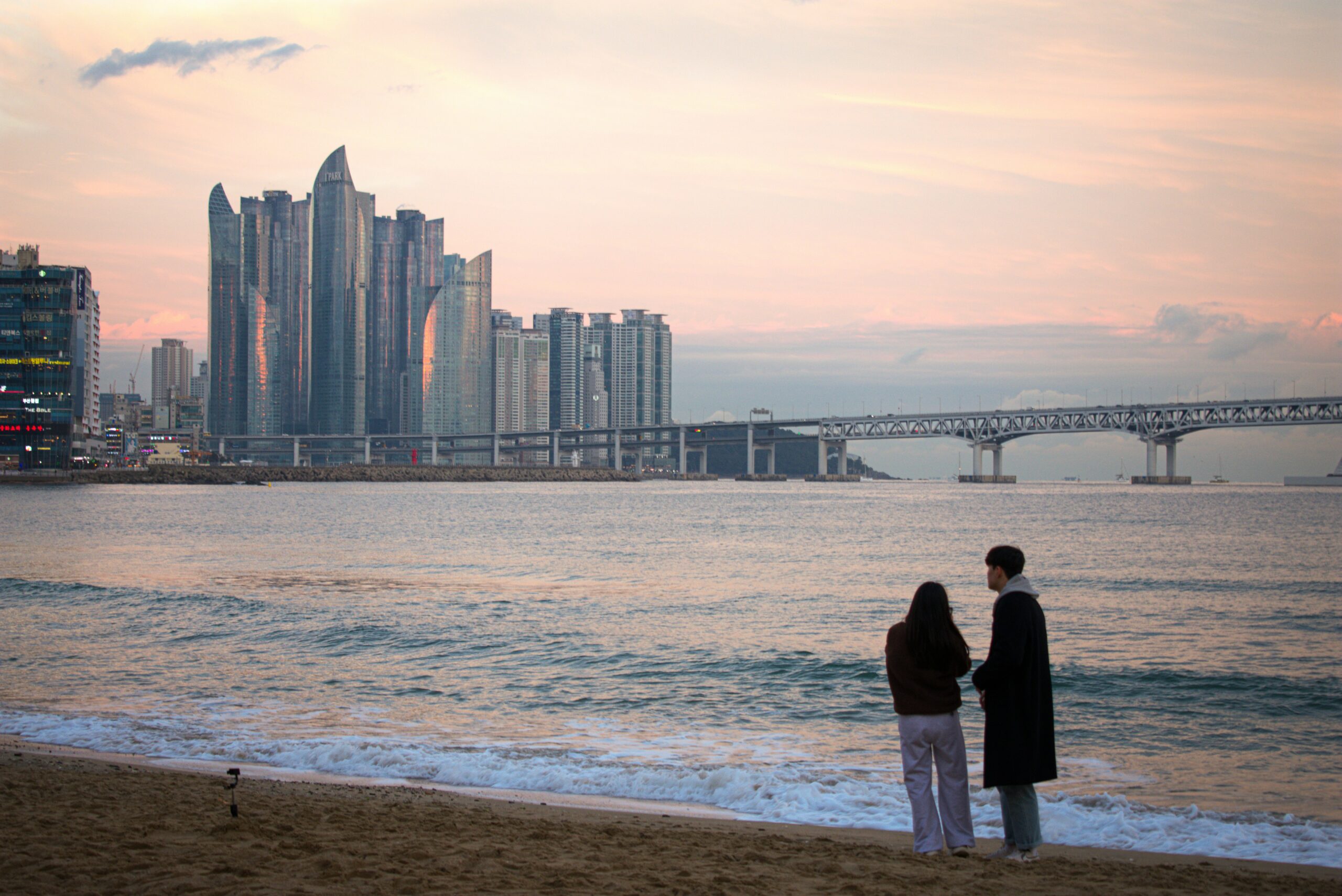
If I weren’t tied to Seoul’s job market, Busan is where I’d live. Korea’s second city is a coastal sprawl of beaches, mountains, seafood, and a famously relaxed attitude the closest thing Korea has to a “California” pace.
The value is striking. Average rent sits near ₩680,000 to ₩1.14 million ($450–$750) in Busan, compared with roughly ₩990,000 to ₩1.67 million ($650–$1,100) in Seoul. A typical expat or remote-worker budget may fall around ₩2.43 to ₩3.04 million ($1,600–$2,000) in Busan versus ₩2.89 to ₩3.80 million ($1,900–$2,500) in Seoul. Mercer places Busan 100th globally for quality of living, just behind Seoul.
Trade-off: Lower costs and a better daily rhythm, but the professional job market is thin outside teaching, tourism, and shipping. Most non-teaching expats here work remotely or commute.
3. Sejong: Best for families and quality of life
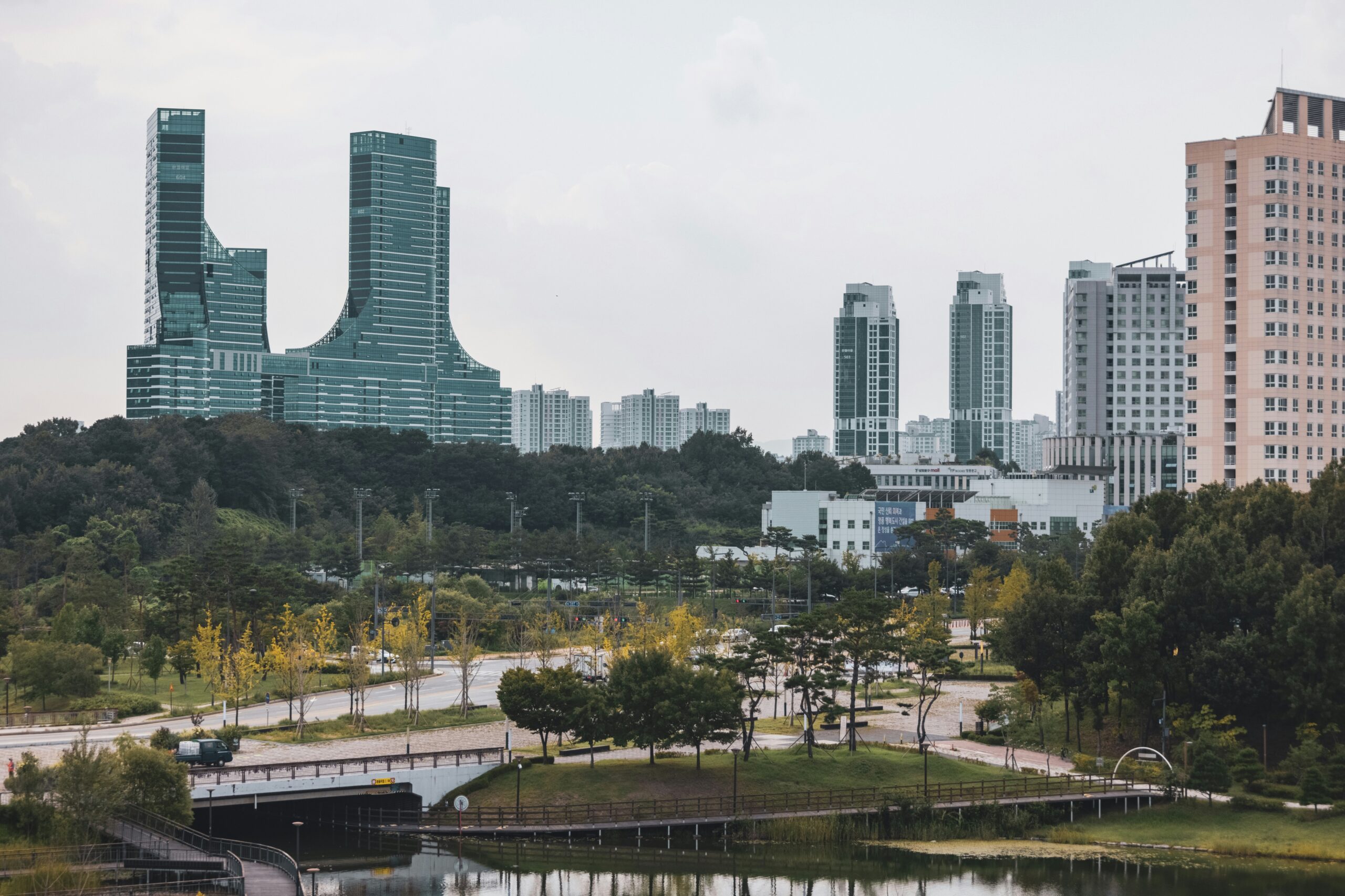
Sejong is Korea’s purpose-built administrative capital, and it’s quietly one of the best places to actually live in the country. Designed from scratch with parks, bike lanes, and smart-city infrastructure (part of a roughly $30 billion build-out), it’s spacious and green in a way Korean cities rarely manage.
The clearest signal is demographic. In a nation with the world’s lowest birth rate about 0.75 in 2024 Sejong posted the highest fertility rate at roughly 1.12, and was the only major region whose population grew. Families vote with their feet. Apartments are the second-priciest in Korea after Seoul, yet still around a third cheaper than the capital.
Trade-off: Excellent for raising kids and breathing room, but young and quiet nightlife and an established expat scene are limited.
4. Daejeon: Best for science, students, and central living
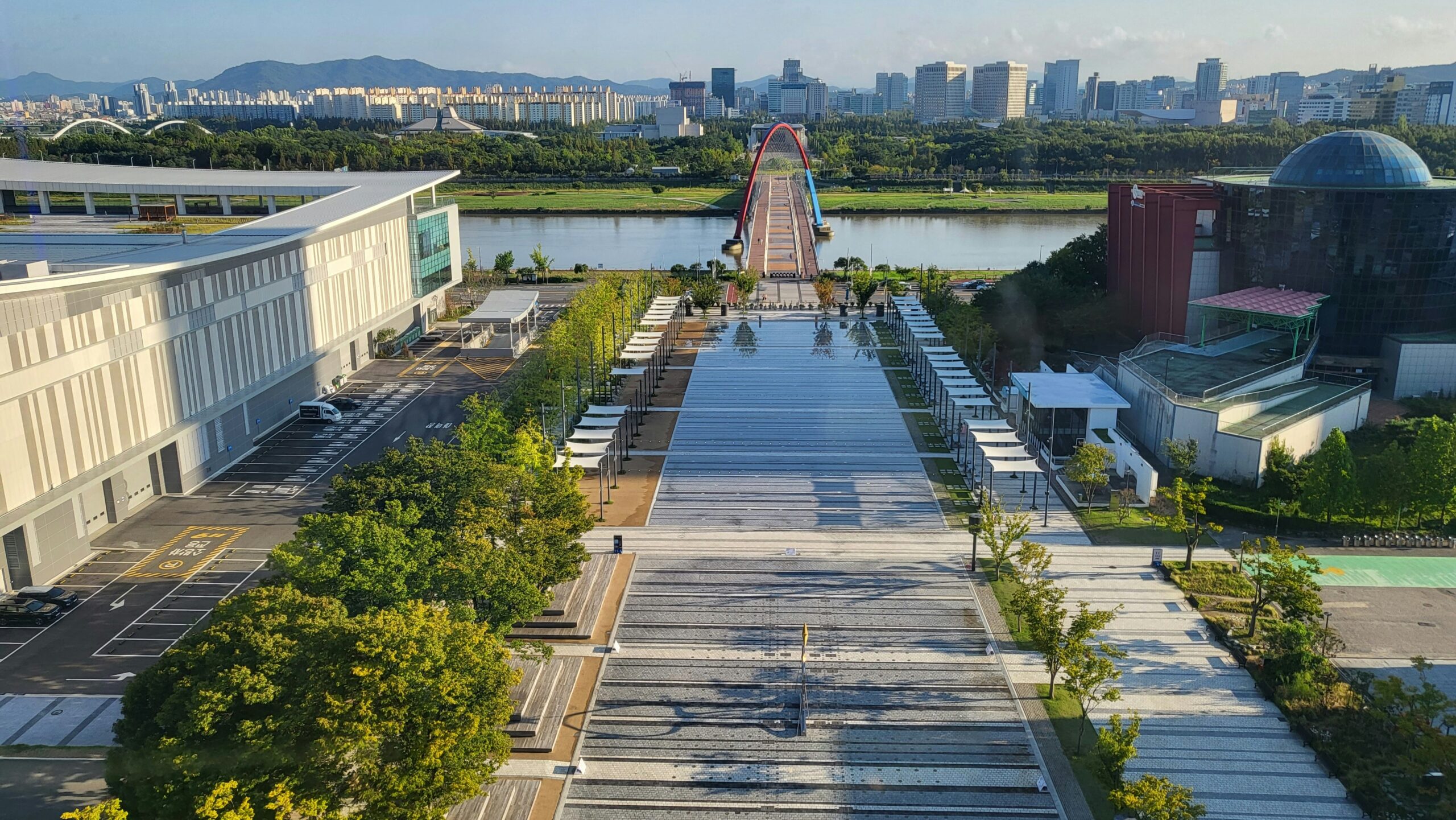
Daejeon is Korea’s research-and-tech heart, home to KAIST and dozens of national institutes (locals call it Korea’s Silicon Valley with a straight face). It sits dead-center on the KTX map, putting Seoul, Busan, and nearly everywhere else within easy reach.
It’s also affordable and unpretentious, with rents well below Seoul’s and a steady international academic crowd. For engineers, grad students, and anyone who wants a real city without big-city prices, it’s badly underrated.
Trade-off: Strong fundamentals and an unbeatable location, but it lacks the obvious “wow” of Seoul or Busan and it’s famous as a “노잼 도시/boring city” among Koreans.
5. Incheon (Songdo): Best for modern living and global access
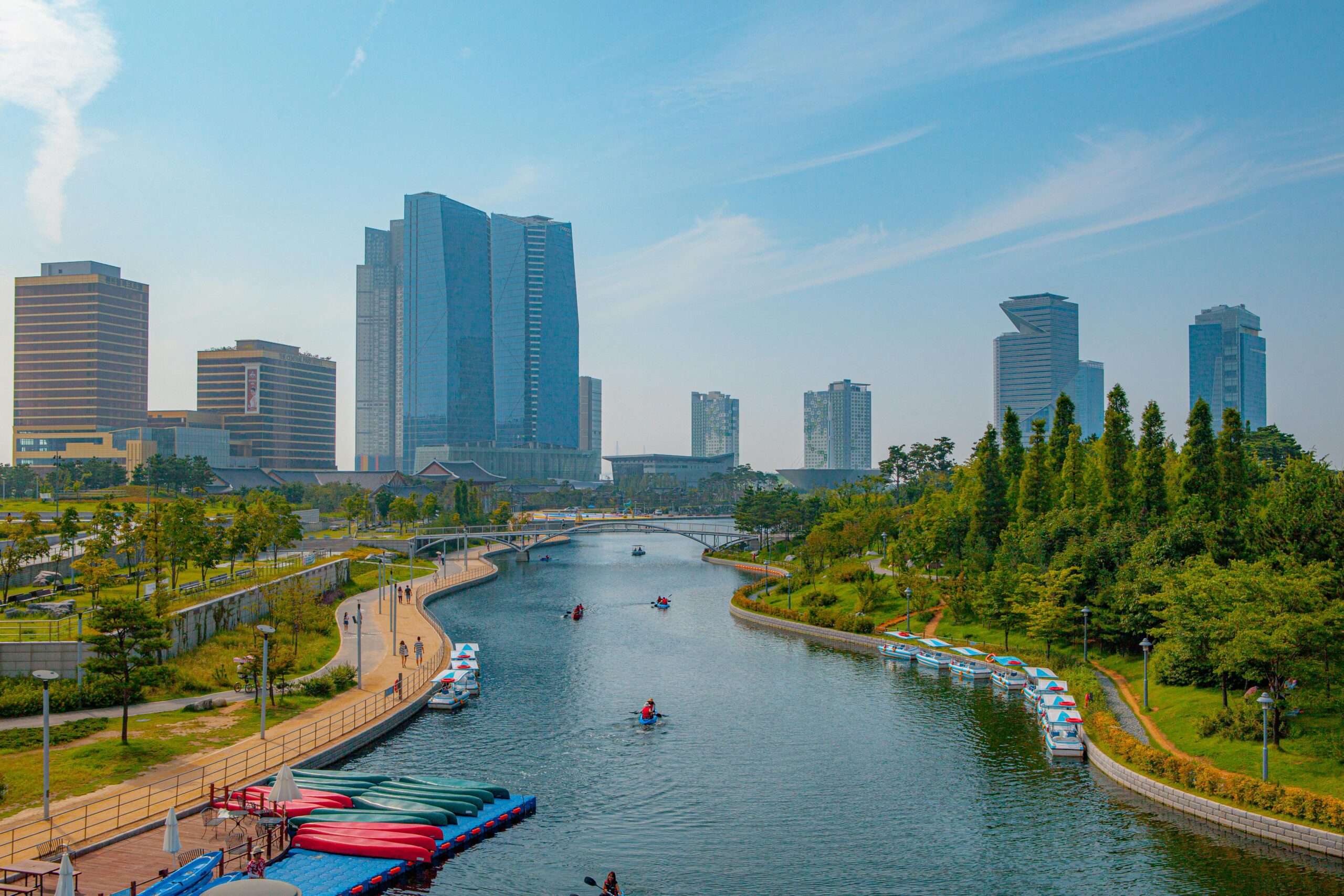
Incheon offers proximity to Seoul at a lower price, plus Korea’s main international airport on your doorstep is a real gift if you travel often. Its showpiece district, Songdo, is one of the world’s most ambitious planned smart cities: wide, clean, green, and built for families and professionals.
Trade-off: Modern, well-connected, and good value, but Incheon’s work culture is demanding, winters are cold, and the wider city feels less charming than its glossy new districts.
6. Daegu: Best for affordable, authentic city life
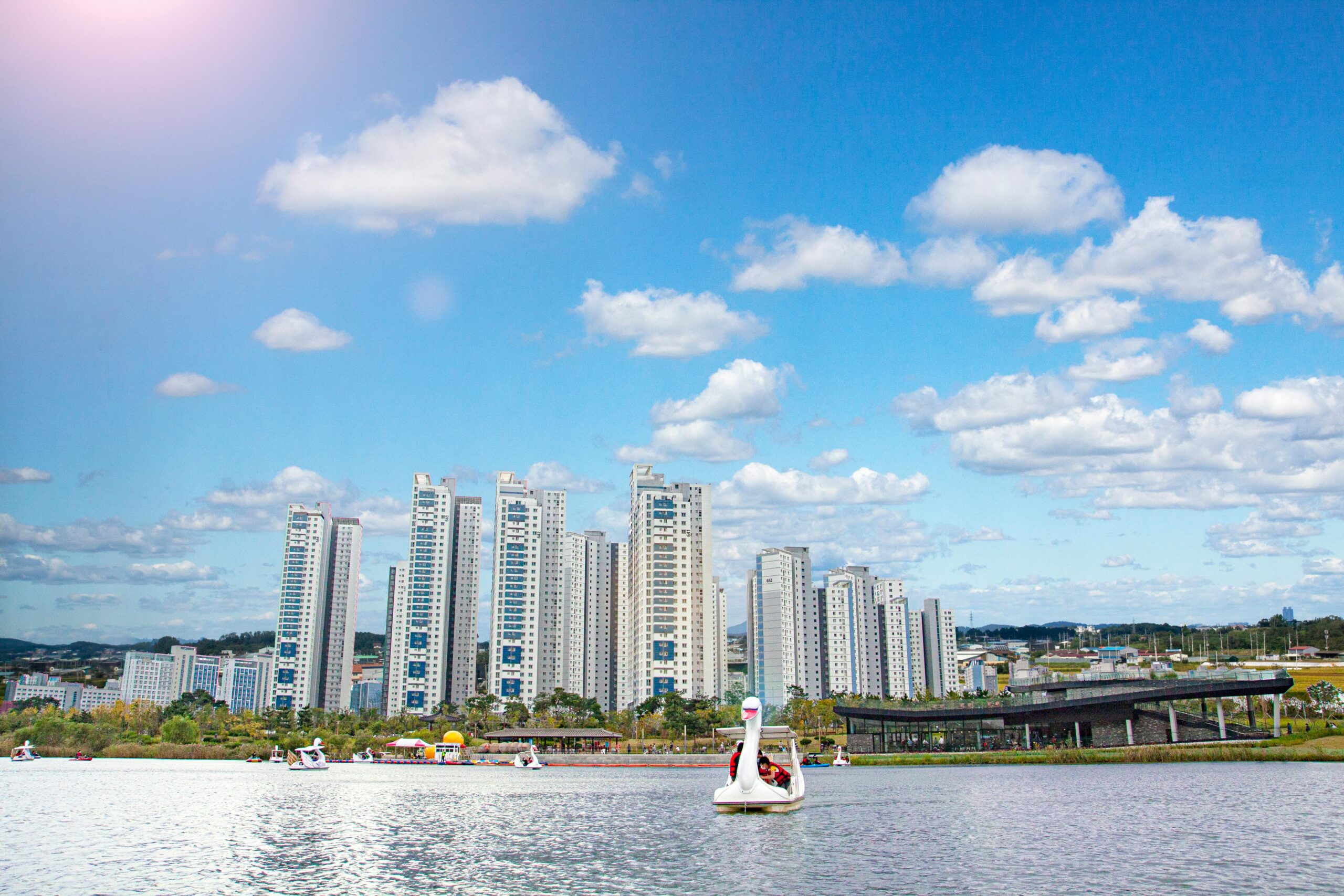
Daegu, Korea’s fourth-largest city by city population, is where you go for an unfiltered Korean experience away from the tourist crowds. It has full big-city amenities an efficient metro, fantastic food, lively markets at noticeably lower prices, with one-bedrooms around ₩400,000–₩600,000 ($260–$395) per month.
Trade-off: Genuinely affordable and authentic, but summers are brutally hot and the expat community is smaller than Seoul’s or Busan’s.
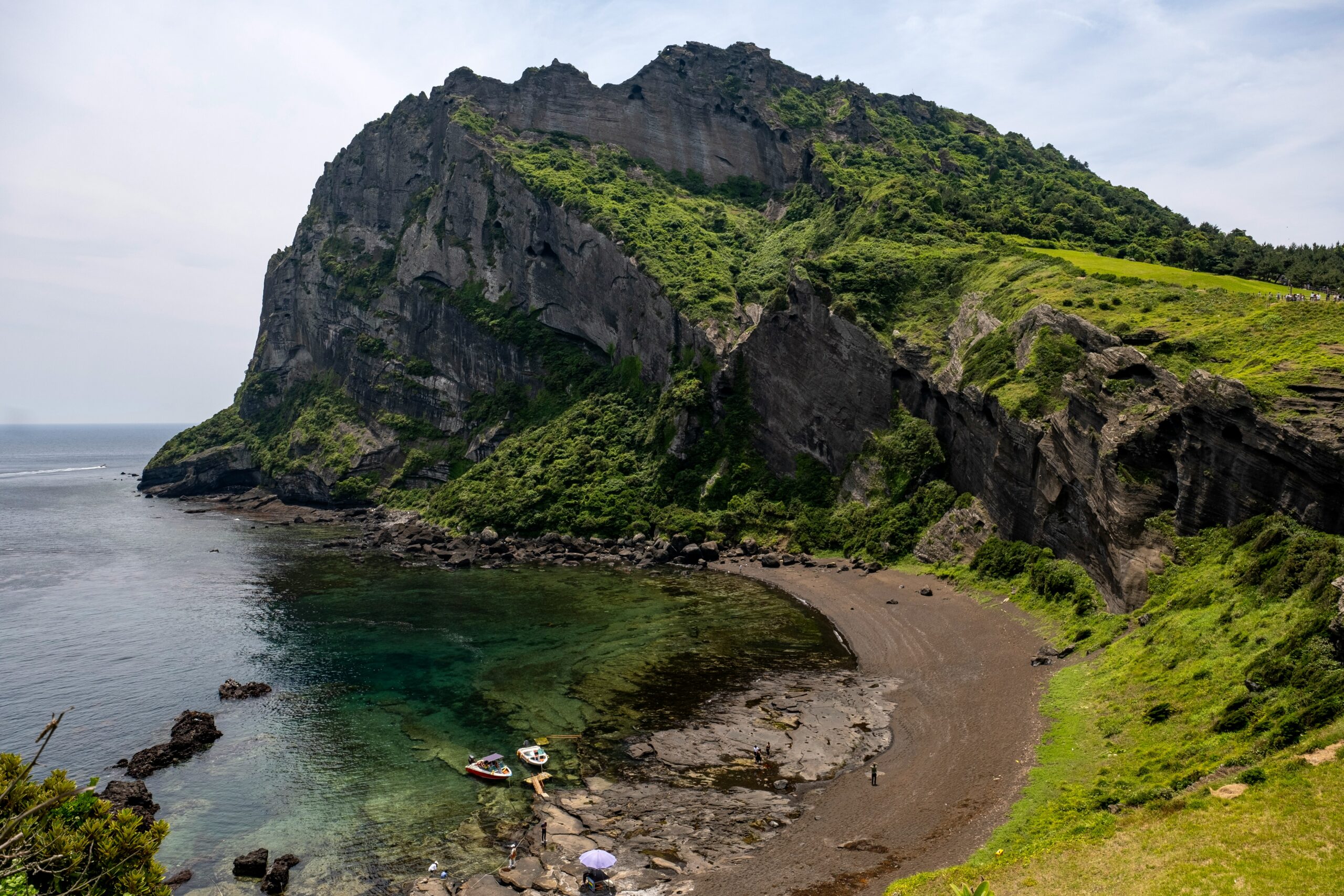
7. Jeju City: Best for nature and the remote-work dream
Jeju is the “Hawaii of Korea”: volcanic coastline, slow island living, and a growing magnet for digital nomads. Rents undercut the mainland metros, the internet is among the fastest on the planet, and coworking spaces with ocean views are now a genuine thing.
It’s also more practical than ever for remote workers thanks to Korea’s F-1-D “Workation” visa, which lets qualifying remote earners (roughly $66,000+ in annual income) stay up to two years.
Trade-off: Stunning scenery and balance, but island life means fewer jobs, occasional isolation, and a real need for your own car or scooter.
So, where should you live?
If you want career momentum and can stomach the cost and pace, choose Seoul. If you want the best life-to-cost ratio, Busan. Raising a family, Sejong. Remote and craving nature, Jeju. There’s no single “best” only the best fit for your priorities.
Whichever you pick, you’re landing in a country that’s safe, hyper-connected, and endlessly rewarding to explore. And remember: thanks to that bullet train, choosing one city never means giving up the others.
Planning a move? Tell me your situation in the comments and I’ll point you toward the right city.
To Discover More Click Here: Explore Korea