You’re surrounded by 51 million people, yet you’ve never felt more alone.
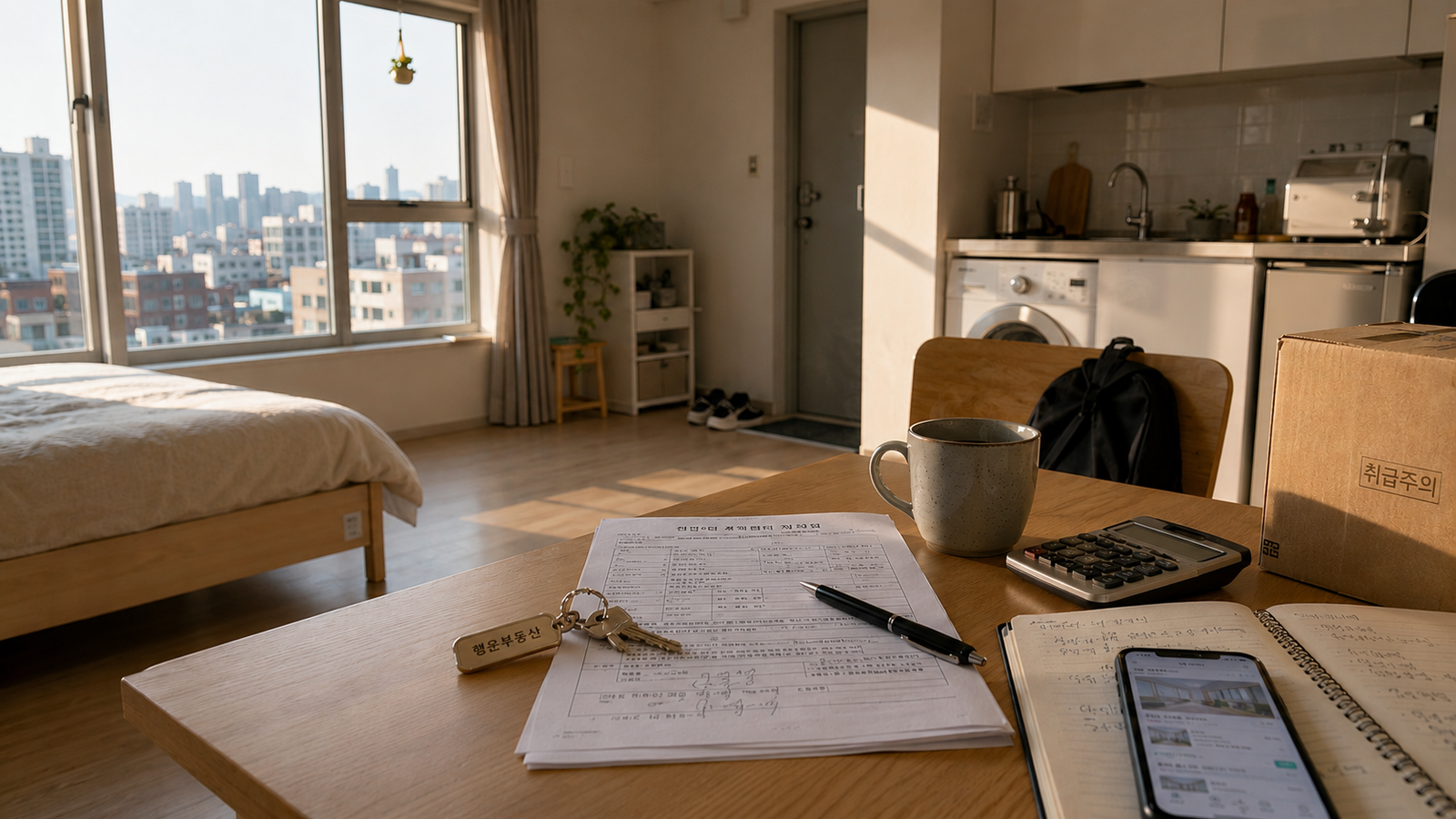
I’ve been living in Korea for a while now. And if you asked me what the hardest part of being here is, I wouldn’t say the language. I wouldn’t say the food, the weather, or the work culture. I’d say it’s loneliness.
Not the dramatic, cinematic kind. The quiet kind. The kind where your phone doesn’t ring on a Saturday. Where you eat every meal alone and start to wonder if something is wrong with you. Where you’re surrounded by people all day on the subway, at the café, at work and still feel completely invisible.
If you’re a foreigner living in Korea and you’ve felt this, I want you to know: it’s not just you. This is one of the most common, least talked about experiences of living here. And it runs deeper than most people realize.
The Loneliness Isn’t Just in Your Head It’s in the Data
Korea has a loneliness problem, and it’s not limited to foreigners.
According to South Korea’s official 2024 Social Indicators report, 21.1 percent of the entire population reported feeling lonely up from 18.5 percent the year before. A survey by the Seoul Institute found that 62.1 percent of single-person households in Seoul experience persistent loneliness. Another 13.6 percent were classified as socially isolated, meaning they had nobody to turn to when emotionally distressed, physically unwell, or in financial trouble.
The World Health Organization declared loneliness a “global public health emergency” in 2023. But in Korea, the numbers suggest the crisis is particularly acute. An estimated 540,000 young Koreans between the ages of 19 and 39 are living in extreme social withdrawal a phenomenon borrowed from the Japanese term hikikomori. When researchers lowered the threshold from six months of seclusion to just one month, 26 percent of young adults reported experiencing it.
This isn’t a foreigner problem. This is a structural, cultural, and societal reality. And as a foreigner, you’re stepping into it without the social infrastructure that Koreans themselves rely on.
Why Korean Friendships Work Differently
To understand why making friends here feels so hard, you have to understand how Korean friendships are built in the first place.
1. Friendships Are Formed Early and the Window Closes
In Korea, most deep friendships are formed during three specific life stages: middle school, high school, and university. These aren’t casual connections. They are forged through years of shared pressure the brutal study schedules, the college entrance exam (suneung), military service for men, and the intense early years of career-building.
By the time Koreans reach their mid-to-late twenties, most already have a tight, stable circle of two to four close friends. They’ve been through the hardest parts of life together. They don’t need new friends not because they’re cold, but because their emotional needs are already being met.
You arrive as a stranger outside that timeline. You missed the bonding window. And that’s a gap that’s extremely difficult to close.
2. The “We” Culture vs. the “I” Culture
Korea is a deeply collectivist society. The Korean word uri (우리), meaning “we” or “our,” is used where English speakers would say “my.” Koreans say 우리 나라/uri nara (our country), 우리 엄마/ uri eomma (our mom), 우리 집/uri jib (our house). The individual exists in relationship to the group.
This sounds warm from the outside. But here’s what it means in practice: the “we” is reserved for the in-group. If you’re not inside the circle, you’re outside it. There’s very little middle ground. Koreans are incredibly generous, loyal, and caring to the people in their inner circle. But getting into that circle as an outsider especially a foreign outsider requires a level of trust and consistency that takes months, sometimes years, to build.
3. Nunchi: The Invisible Social Rulebook
There’s a concept in Korean culture called nunchi (눈치). It’s roughly translated as “the art of reading the room” the ability to sense other people’s moods, intentions, and social dynamics without being told.
Koreans cultivate nunchi from childhood. It’s how they navigate hierarchy, avoid conflict, and maintain harmony in group settings. Silence and observation are valued. Direct confrontation is avoided. White lies are told not out of dishonesty, but out of a deep-rooted cultural impulse to protect the other person’s feelings and maintain group cohesion.
For a foreigner who didn’t grow up in this system, the social cues are invisible. You might think the conversation went well. The other person was smiling, nodding, and seemed engaged. But they never follow up. They never suggest meeting again. You’re left wondering what you did wrong.
The answer, usually, is nothing. You just didn’t read the nunchi.
4. The Age Hierarchy Changes Everything
One of the first questions Koreans ask when they meet someone new is their age. This isn’t small talk; it determines the entire structure of the relationship. The Korean language has built-in honorific levels. The way you speak to someone older is fundamentally different from how you speak to a peer.
Once age is established, titles follow: unnie, oppa, hyung, noona for older friends; dongsaeng for younger ones. These aren’t just words they carry expectations of behavior, responsibility, and deference.
For foreigners, this system creates an awkward gap. Even if a Korean friend says “just speak casually,” the cultural wiring doesn’t switch off that easily. The formality creates a subtle distance that both sides can feel but neither knows how to bridge.
The Specific Walls Foreigners Hit
Beyond the cultural structure, there are practical barriers that make it especially hard for foreigners to build friendships in Korea.
1. The Language Barrier Is Deeper Than Vocabulary
You can learn enough Korean to order food, take a taxi, and survive at work. But friendship requires something language classes don’t teach: nuance, humor, emotional vulnerability, and the ability to be yourself without translating in your head.
Many foreigners find that their Korean is “good enough” for transactions but not for connection. Jokes fall flat. Sarcasm doesn’t translate. The emotional register feels off. And on the Korean side, there’s often anxiety about speaking English imperfectly, which makes spontaneous conversation feel strained for both parties.
The result: a lot of pleasant, surface-level interactions that never go deeper.
2. The “Language Exchange” Trap
One of the most common pieces of advice for making Korean friends is to join a language exchange group. And it works to a point.
The problem is that many language exchanges feel transactional. Both sides know why they’re there. You’re practicing Korean; they’re practicing English. It’s a fair trade, but it’s not the foundation for genuine friendship. Once the exchange purpose is fulfilled, the relationship often fizzles.
That doesn’t mean language exchanges are useless. It means they’re a starting point, not a destination.
3. Work Culture Leaves No Room for Socializing
Korea’s work culture is intense. Long hours, after-work dinners with colleagues 회식 (hoesik), commuting, and the general exhaustion of corporate life leave very little time for building new friendships. When Koreans finally get free time, they spend it with their established circle the friends who already know them, who don’t require the energy of a new relationship.
This isn’t personal. It’s structural. The system doesn’t leave room for spontaneous socializing the way it might in other countries.
4. The Revolving Door of Expat Friends
Many foreigners cope by building friendships with other expats. And there’s nothing wrong with that shared struggle is a powerful bonding agent. But expat communities have a built-in instability: people leave. Teaching contracts end. Visa situations change. Someone you’ve grown close to over six months is suddenly gone, and you’re back to square one.
Over time, this revolving door creates a kind of emotional fatigue. You stop investing as deeply in new connections because you’ve been burned by departure too many times.
What Actually Works (With Patience)
I’m not going to pretend there’s a magic formula. There isn’t. But here’s what I’ve seen work for myself and for others who’ve managed to build real connections here.
1. Show Up Consistently to the Same Place
Korean trust is built through repeated exposure, not instant chemistry. Join a club, a class, a running crew, a hiking group, a gym and keep showing up. The first three or four times, you’ll feel invisible. By the fifth or sixth, someone will acknowledge you. By the tenth, you might get invited to dinner.
This is how Korean friendships work. Consistency signals sincerity. It’s the opposite of the Western approach of meeting someone once at a bar and becoming best friends overnight.
2. Learn Korean Even Badly
You don’t need to be fluent. But making the effort to speak Korean even poorly, even with mistakes signals respect. It tells Koreans that you’re not just passing through. That you care about their culture enough to struggle with it.
Some of the deepest connections I’ve seen between foreigners and Koreans started with broken Korean and a lot of laughing at mispronunciations.
3. Enter Through a Group, Not as an Individual
Korean social life is group-oriented. Approaching someone one-on-one as a stranger can feel intense or uncomfortable in this culture. But entering through a group a club, a class, a friend of a friend feels natural and safe.
If you can get one Korean friend to introduce you to their group, the doors open much faster. The introduction carries implicit trust.
Be Patient with the Pace
In many Western cultures, friendship moves fast. You meet someone, exchange numbers, hang out next week, and you’re friends. In Korea, the pace is slower. Someone might take weeks to respond to a message not because they don’t like you, but because they’re gauging the relationship. They’re reading the nunchi. They’re deciding if this is a connection worth investing in.
Don’t take slow responses as rejection. Take them as the process of working.
Use the Platforms That Work Here
KakaoTalk is the social lifeline in Korea if you’re not on it, you’re invisible. Beyond that, platforms like Meetup, Somoim (소모임), and even Instagram can be useful for finding group activities. Facebook groups for expats in your city (Seoul, Busan, Daegu, etc.) often organize regular events where newcomers are welcomed.
The key isn’t the platform it’s using it to find repeated, in-person interaction. Digital connections only convert to real friendships when they become face-to-face.
The Bottom Line
Making friends in Korea is hard. It’s hard for foreigners, and honestly, it’s increasingly hard for Koreans themselves. The culture isn’t designed for fast, casual friendship. It’s designed for deep, long-term bonds formed through shared experience and sustained trust.
That means the friendships you do make here if you stick it out, show up consistently, learn the language, respect the culture, and give it time tend to be some of the strongest you’ll ever have.
Korea doesn’t give you friends easily. But the ones it gives you, it gives you for life.