

I’ve always believed that nature speaks, but only to those who slow down enough to listen. Tracking, to me, is not just about following footprints in the soil. It’s about reading the living story written across the land.
Here in Korea, surrounded by mountains that rise and fall like the pages of an old book, I’ve learned how rich and alive that story can be.
Walking the Old Paths
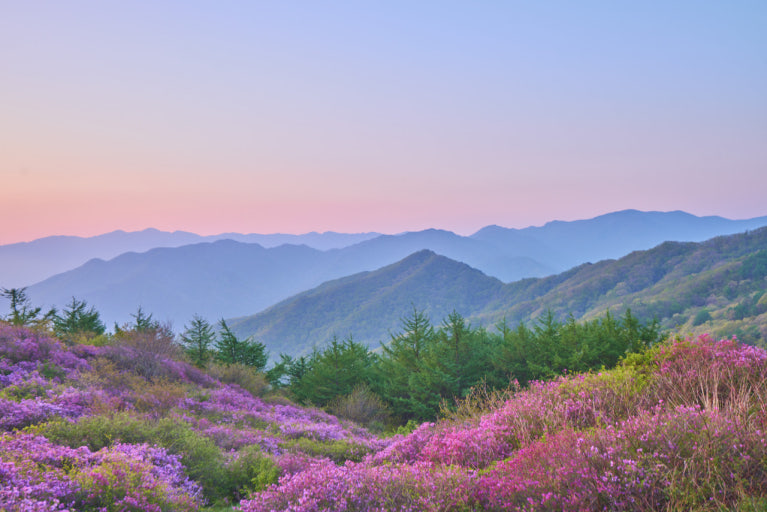
On a recent weekend, I found myself in the foothills of Jirisan. The trail was quiet, the air damp from the morning mist, and the ground soft enough to catch every detail. That’s when I noticed it the faint imprint of a deer’s hoof pressed into the mud, half-hidden under fallen leaves.
For many hikers, it would have been just a mark on the ground, but to me it was a sentence in nature’s unfolding narrative. The direction of the print, the depth, even the way the leaf bent under it—all these tiny signs told me a story: a deer had passed not long before, moving slowly, perhaps pausing to nibble at the fresh shoots growing near the stream.
More Than Just Footprints
Tracking in Korea is never limited to footprints. The forest is full of clues if you open your senses. A bent reed, a tuft of fur snagged on a branch, even the sudden silence of magpies can tell you who else is sharing the trail with you.
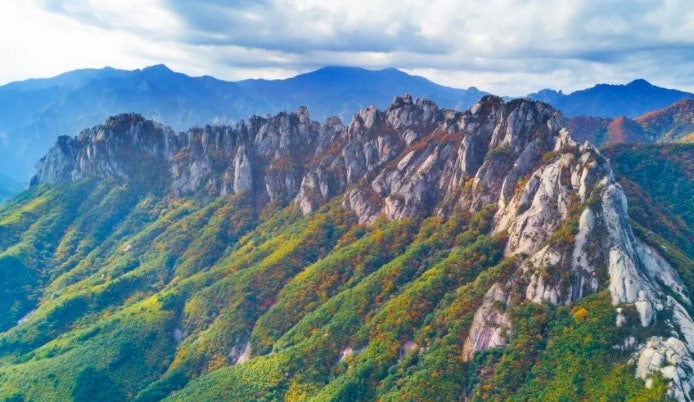
Once, in Seoraksan(설악산), I spotted claw marks etched into the bark of a pine tree. Bears live here, though rarely seen. The scratches weren’t fresh, but they carried weight, reminding me that I was not the only traveler wandering these slopes.
Conservation Through Tracking
Tracking plays a crucial role in wildlife conservation and research. By understanding animal movements and behaviors, conservationists can make informed decisions about habitat protection, anti-poaching efforts, and the management of endangered species. Tracking can also help in the study of animal migrations, breeding patterns, and the impacts of climate change on various species.
The Art of Slowing Down
Modern hiking often feels like a race—reaching the summit, taking a photo, and rushing back down. But tracking teaches patience. It asks you to notice the subtle, to let your imagination wander.
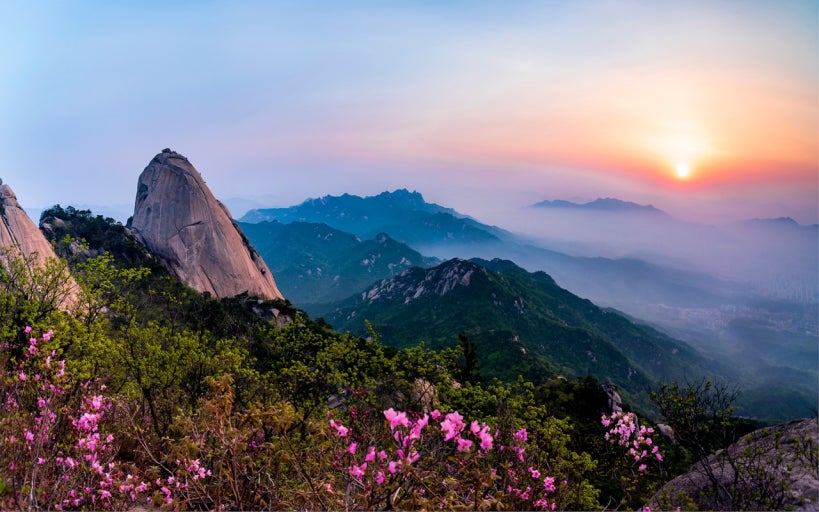
In Bukhansan(북한산), I spent nearly half an hour kneeling by a small patch of soil, watching the movement of ants. Their trails overlapped with faint paw prints—probably a stray dog. To most, this scene was unremarkable, but to me it was like watching different chapters of the same book overlap, reminding me that every creature leaves behind its story.
Why Tracking Matters
For me, tracking is a way of grounding myself. Living in Korea, surrounded by busy cities and neon lights, it’s easy to forget that the land holds stories far older than us. Every time I track, I feel like I’m reconnecting with something ancient an art humans once relied on for survival, now revived as a practice of mindfulness and respect.



Leave a Reply